


Introduction
If there’s one haircut that has stood the test of time while staying fresh year after year, it’s the taper fade. Walk into any barbershop today and you’ll hear it requested more than almost any other style — and for good reason. The taper fade is clean, sharp, versatile, and flattering on nearly every face shape and hair type.
But here’s the thing: not all taper fades are the same. There’s the low version, the high version, the skin-close bald fade, and everything in between. Knowing the difference can mean the gap between walking out of the barbershop looking like a million bucks — or feeling like something went slightly off.
In this complete guide, we’re breaking down everything you need to know about the taper fade haircut in 2026: what it is, the different types, which one suits your face, and how to talk to your barber like a pro.
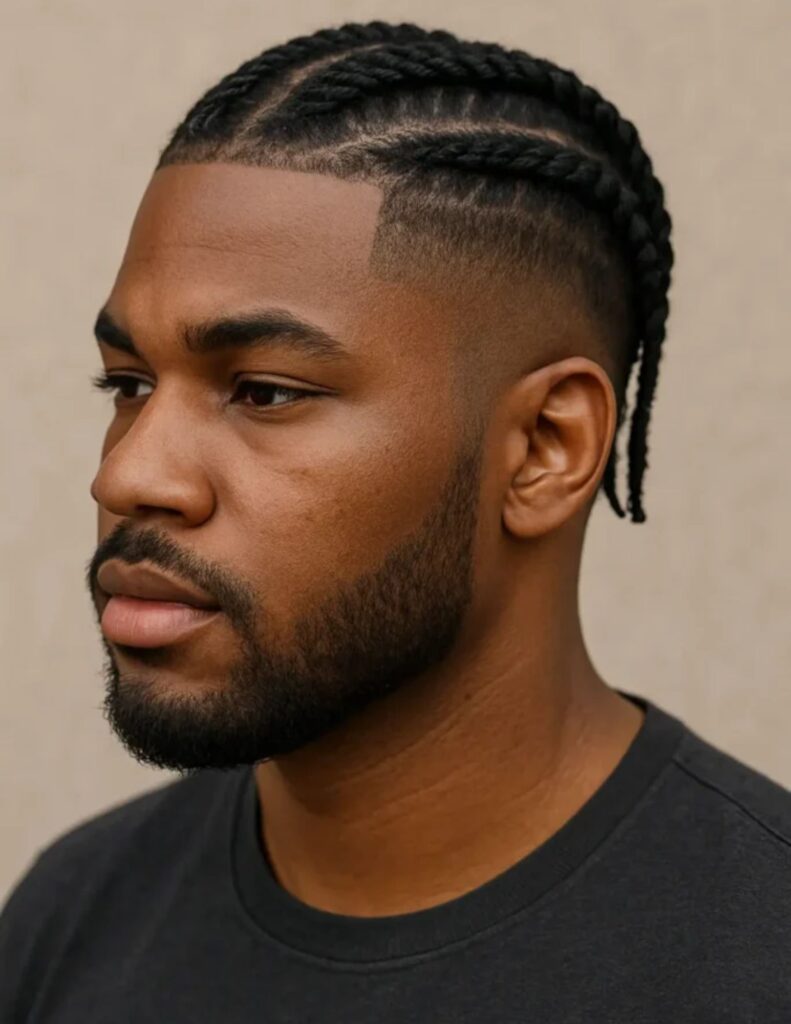
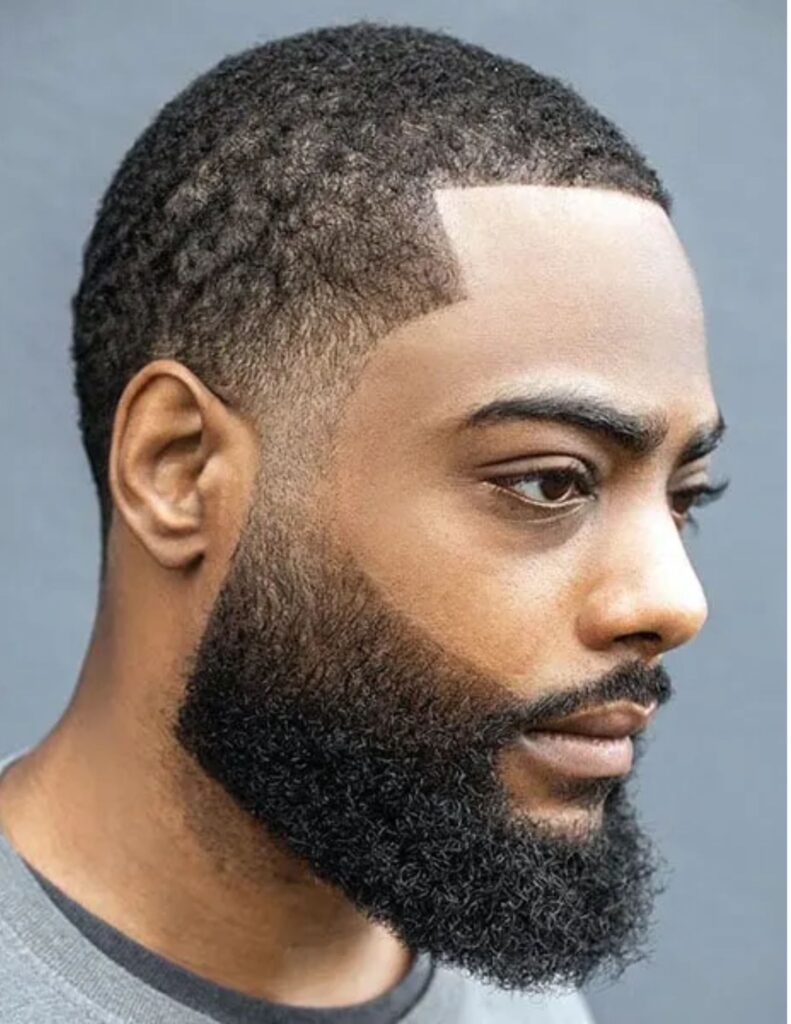
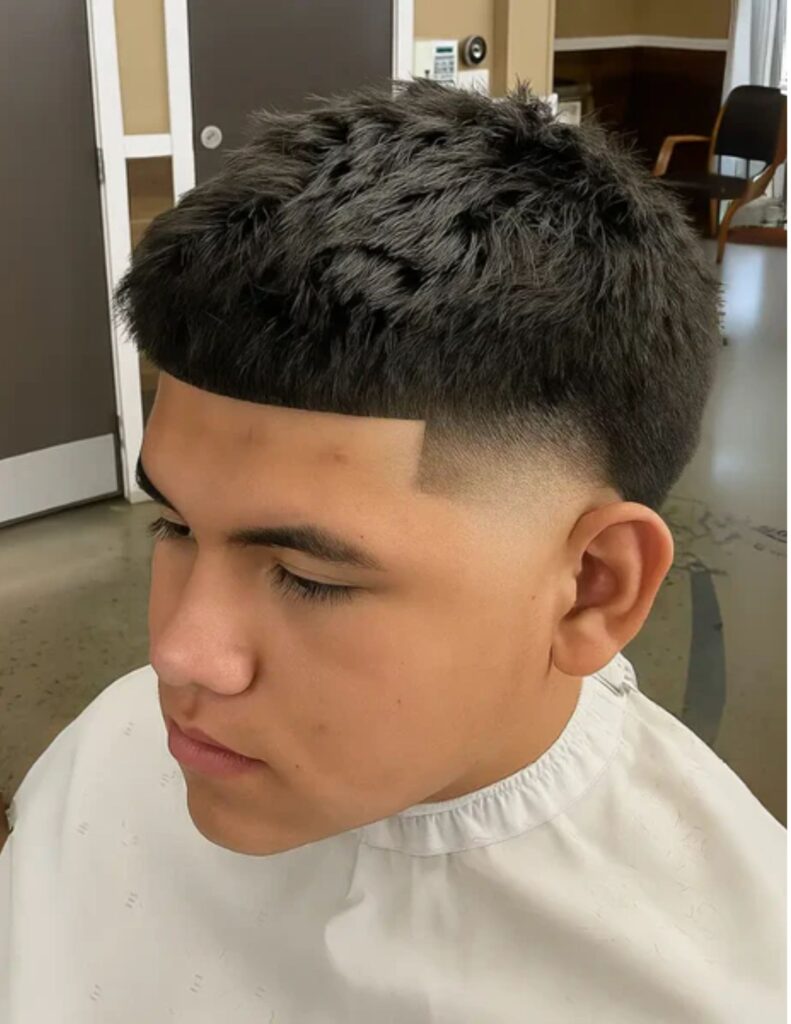
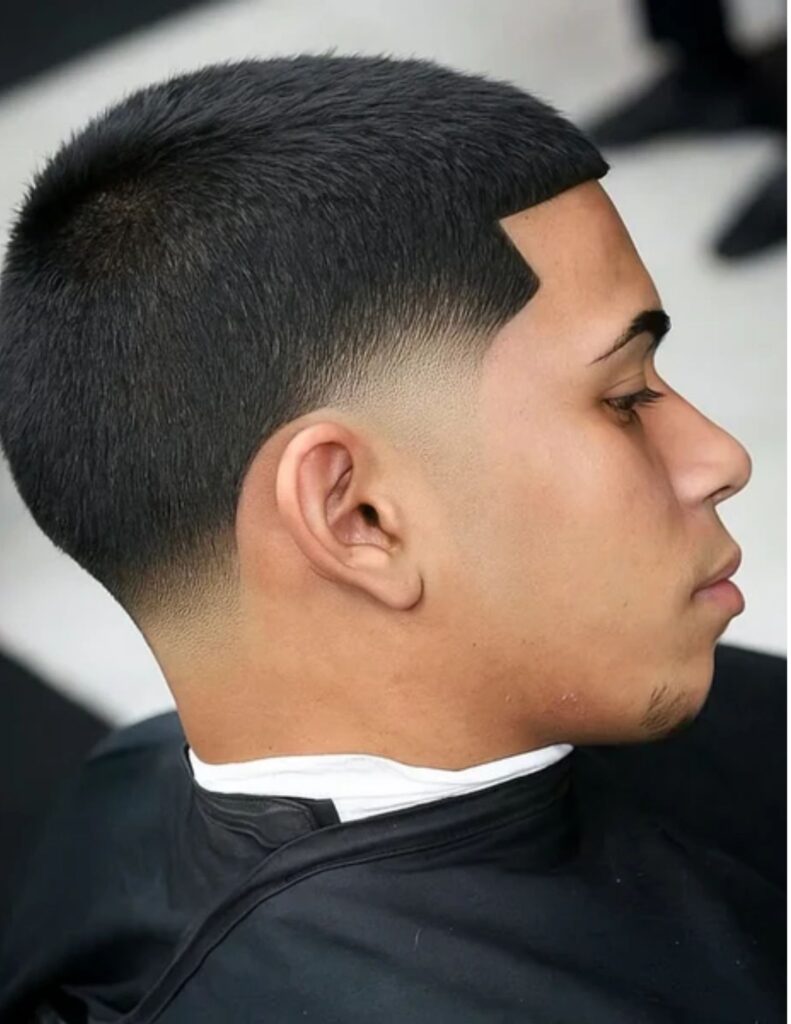
What Is a Taper Fade?
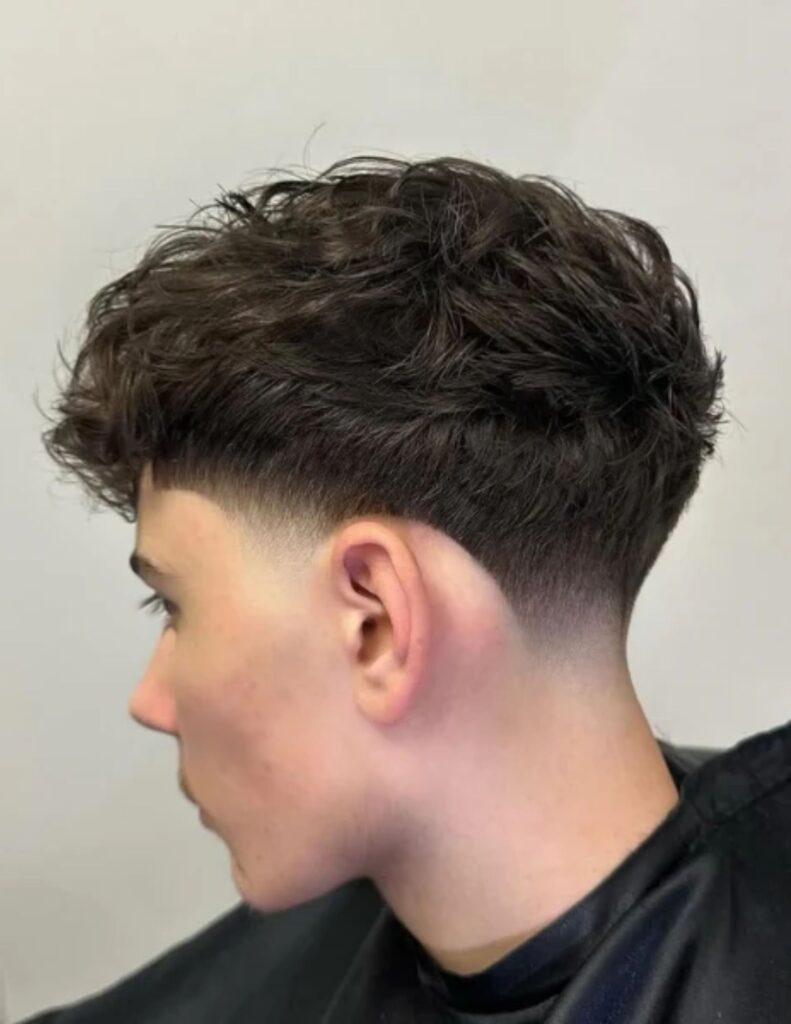
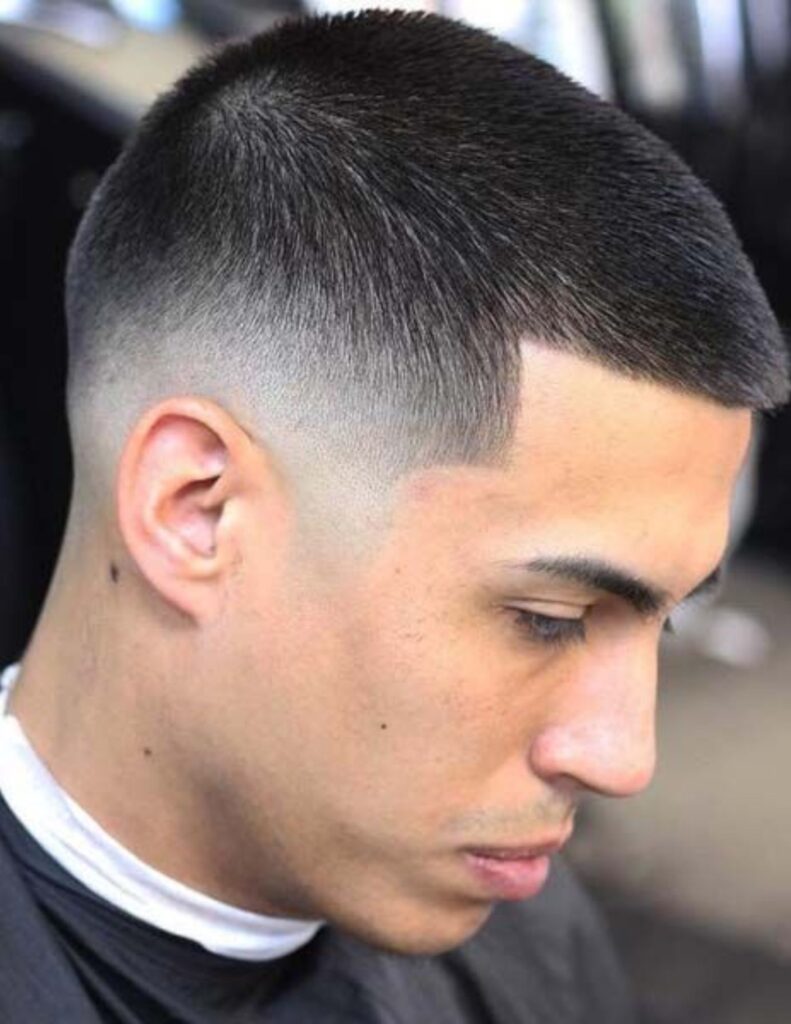
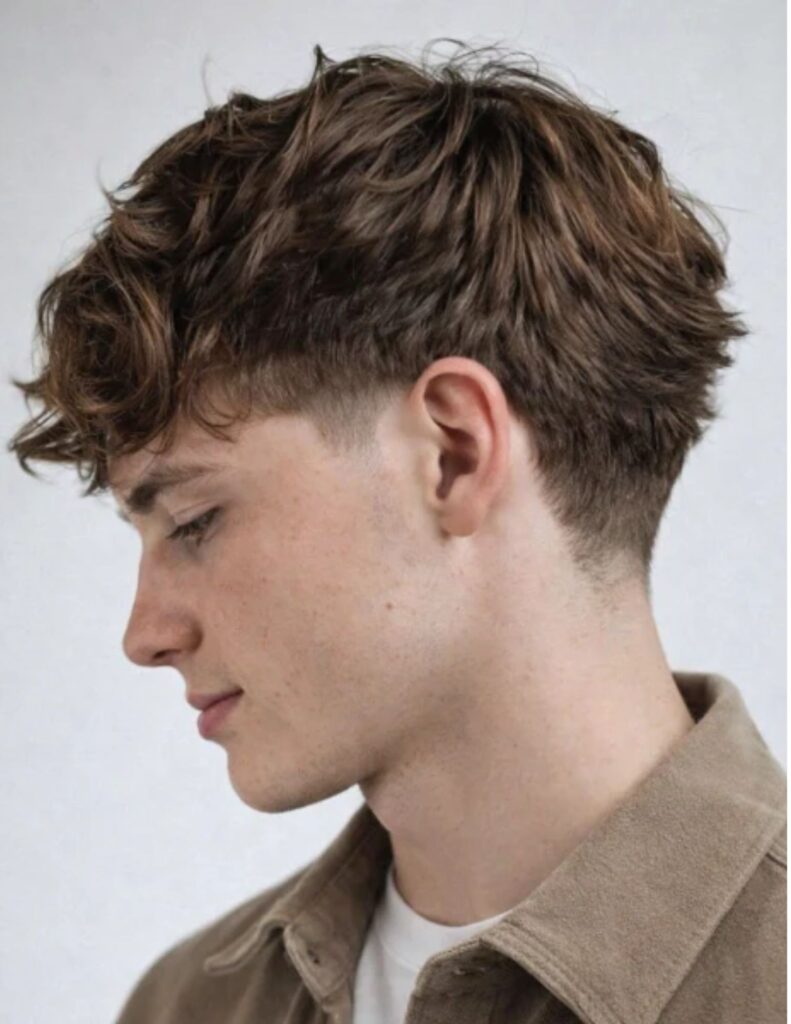
A taper fade is a haircut technique where the hair gradually decreases in length as it moves down the sides and back of the head, eventually blending into the skin. The word “taper” refers to that smooth, seamless transition — hair going from longer on top to shorter and shorter until it almost disappears at the neckline and around the ears.
Think of it like a gradient. At the top of your head, you have full length. As the barber moves down, the clipper guard sizes get smaller and smaller, creating that signature blended look. The “fade” part means the hair literally fades into the skin with no harsh lines.
What makes the taper fade different from a simple short back and sides is the precision involved. A good barber blends each length so smoothly that you can’t see where one ends and the next begins. That blended finish is the hallmark of a great taper fade and what separates a skilled barber from an average one.
Taper Fade vs Regular Fade – Key Differences
This is one of the most common questions guys ask at the barbershop, and it’s a fair one because the two terms are often used interchangeably — but they’re not exactly the same thing.
A regular fade (sometimes called a standard fade or bald fade) typically drops all the way down to the skin, often starting higher on the head and creating a more dramatic contrast. The sides can look quite stark, especially in a high fade where the transition starts near the temples.
A taper fade, on the other hand, tends to be a more gradual and refined version. The blend is softer, the transition more subtle, and it usually doesn’t go completely bald unless you specifically ask for a skin taper fade. The taper fade tends to look a bit more natural and works beautifully with both casual and professional settings.
In short: all taper fades are fades, but not all fades are taper fades. The key difference is in the subtlety and placement of the blend. A taper fade gives you a polished look that doesn’t scream “fresh from the barbershop” three days later — it grows out gracefully, which is a huge plus for many guys.
Types of Taper Fade
Here’s where things get fun. The taper fade is essentially a family of styles, each with its own personality. Let’s walk through the main variations so you know exactly what to ask for.
Low Taper Fade
The low taper fade is the most subtle and understated of the bunch. The fade starts very low on the head — just above the ears and at the neckline — which means most of your sides remain at a consistent length. Only the very bottom portion blends into the skin.
This is the go-to for guys who want a clean, professional look without going too short on the sides. It’s also a great starter taper fade if you’re new to the style and not sure how much you want taken off. The low taper fade works incredibly well in office environments and looks sharp with both formal and casual outfits.
Mid Taper Fade
Step it up a notch and you’ve got the mid taper fade. Here, the blend starts around the temples — roughly the midpoint of the sides — which creates a more noticeable contrast between the top and the sides.
The mid taper is probably the most popular version overall because it hits the sweet spot between subtle and bold. It gives you a clean, defined silhouette without being overly dramatic. If you’ve seen a guy with a crisp haircut and thought “that looks really sharp but not too intense” — there’s a good chance it was a mid taper fade.
High Taper Fade
The high taper fade starts the blending up near the top of the head, very close to where the longer hair begins. This creates a very bold, high-contrast look with a lot of skin showing on the sides.
This style makes a statement. It’s bold, modern, and looks particularly striking when paired with a textured top, pompadour, or any style with volume. It’s a popular choice among younger guys and men who like an edgier, fashion-forward aesthetic. Keep in mind that a high taper fade requires more frequent touch-ups since the contrast is more visible as hair grows out.
Skin/Bald Taper Fade
Take any of the above styles and fade all the way down to bare skin, and you’ve got a skin taper fade — also called a bald taper fade. The clipper goes down to a zero (or even a razor finish), leaving the sides virtually hairless.
The skin taper fade is one of the sharpest, most defined looks in barbering. It’s a high-maintenance style since you’ll need touch-ups every one to two weeks, but the clean, razor-sharp result is worth it for many guys. It pairs beautifully with bold tops like waves, dreads, or a textured crop.
Taper Fade with Beard
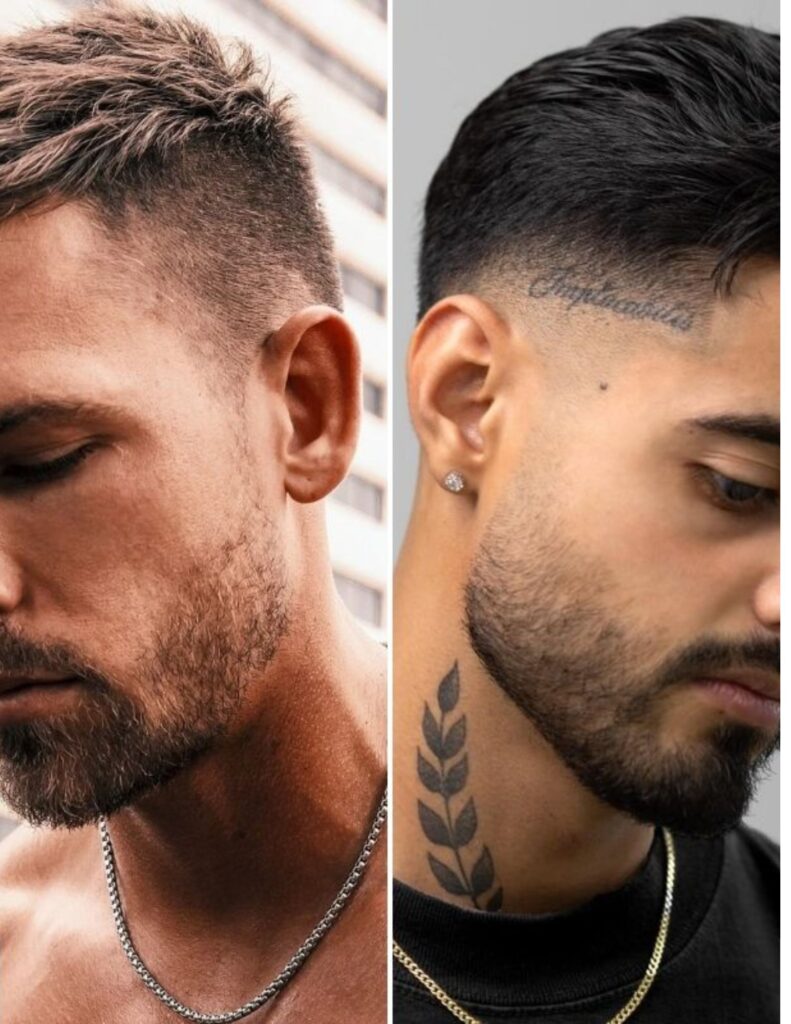
One of the most stylish combos in men’s grooming right now is the taper fade with beard. When done well, the barber seamlessly blends the taper fade into the beard, so the hair on your head and the hair on your face look like one cohesive style rather than two separate things.
The key here is the transition point — that area around the cheekbones and jaw where the fade meets the beard line. A skilled barber will taper this area carefully so the beard appears to naturally grow from the faded sides. Whether you rock a full beard, a short stubble, or a shaped goatee, a taper fade can be styled to complement it perfectly.
Taper Fade for Black Men
The taper fade for Black men deserves its own conversation because Black hair has unique texture, curl patterns, and styling needs that call for specific barbering techniques. A taper fade on natural 4C coils looks entirely different from one on straight or wavy hair — and that’s a beautiful thing.
Popular variations include the taper fade with a high-top, taper fade with waves, taper fade with twists or locs, and taper fade with a shape-up or edge-up. The shape-up in particular (those sharp, defined lines at the forehead and temples) is a signature element that elevates a taper fade into a true art form.
Black barbershops have long been the home of the most creative and precise taper fades, and this heritage continues to influence men’s grooming worldwide. If you have natural hair, make sure your barber is experienced with your specific hair type to get the best result.
Which Taper Fade Suits Your Face Shape?
Choosing the right taper fade style isn’t just about what looks cool on Instagram — it’s about what complements your individual face shape. Here’s a quick guide:
Oval face: Lucky you — oval faces are the most versatile. Almost any taper fade style will look great, so feel free to experiment with high, mid, or low options.
Round face: A high taper fade works best here because the height it adds on top helps elongate the face and create the illusion of more length. Avoid styles that add width at the sides.
Square face: The clean, angular nature of a square face pairs beautifully with a mid taper fade. The smooth sides complement your strong jaw without fighting against it.
Oblong/long face: Go for a low taper fade with more volume on the sides to balance out the length of your face. Too much height on top can make a long face look even longer.
Diamond face: A mid taper fade with some fullness at the top balances a narrower forehead and chin beautifully. The contrast adds width where it’s needed.
When in doubt, talk to your barber. A good barber will assess your face shape and hair type before suggesting the best approach.
How to Ask Your Barber for a Taper Fade
One of the most common barbershop struggles is not knowing how to describe what you want. The result? You end up with a haircut that’s close but not quite right. Here’s how to communicate like a pro:
Start by deciding the height of the fade — low, mid, or high. Then decide how close you want the fade to go — skin, a shadow (very close but not bald), or just a clean blend. Finally, talk about what you want on top — length, texture, or a specific style.
A solid example: “I’d like a mid taper fade, down to a shadow on the sides, kept a bit longer on top so I can style it forward.”
Better yet, come in with a reference photo. Show your barber a picture of the exact style you want. Barbers are visual people — a good photo cuts out all the guesswork and makes it way easier to get the result you’re after.
Also, don’t be shy about speaking up during the cut. If something looks too short or you want more blending, say so. A good barber welcomes the feedback.
How to Maintain a Taper Fade at Home
Getting the taper fade is only half the battle — keeping it looking sharp between barbershop visits is where home maintenance comes in. Here are the key things to know:
Visit your barber regularly. A taper fade typically needs a touch-up every two to four weeks, depending on how fast your hair grows and how sharp you want it to stay. High taper fades and skin fades need more frequent visits since the contrast becomes visible faster.
Use the right products. For the top of your hair, choose products that match your style — pomade for a slick look, matte clay for a textured finish, or curl cream if you have natural texture. Keep the faded sides clean and moisturized (especially if you have a skin fade).
Keep your edges clean. Invest in a quality edge-up trimmer. Running it along your hairline every few days makes a huge difference in keeping the style looking intentional rather than grown-out.
Moisturize your scalp. If you have a skin fade, that exposed skin can dry out. A lightweight scalp oil or moisturizer keeps things healthy and prevents flaking or irritation.
Protect it while sleeping. If you have waves, curls, or any styled texture on top, a durag or silk/satin pillowcase will protect the style overnight and extend the life of your look.
FAQ: Taper Fade Haircut – Your Questions Answered
Q: What is a taper fade haircut? A taper fade is a haircut where the hair gradually decreases in length from the top of the head down to the skin along the sides and back. The blend is smooth and seamless, creating a clean, polished look. It’s one of the most popular and versatile men’s haircut styles today.
Q: How long does a taper fade last? A taper fade typically looks its sharpest for about one to two weeks after the cut. Most guys visit their barber every two to four weeks to maintain the style. High fades and skin fades tend to need touch-ups more frequently because the contrast with growing hair becomes noticeable faster.
Q: What is the difference between a taper fade and a drop fade? A drop fade is a specific variation where the fade line “drops” behind the ear, curving downward toward the nape of the neck rather than going straight around the head. A standard taper fade follows a more even, horizontal line. The drop fade tends to give a more stylized and dramatic look, while a traditional taper fade is a bit more classic and versatile.
Q: Is a taper fade good for thin hair? Yes, absolutely. A taper fade can actually be a great choice for men with thin hair because it removes bulk from the sides, which draws the eye to the top where styling can create the illusion of more volume and thickness. A low or mid taper fade works especially well for thin hair since it keeps more length on the sides for a balanced look.
Q: How much does a taper fade cost? The cost of a taper fade varies depending on your location and the skill level of your barber. In most cities, you can expect to pay anywhere from $25 to $65 for a quality taper fade. High-end barbershops in major metropolitan areas may charge more. Visiting an experienced barber who specializes in fades is worth the investment — a poorly executed fade is hard to fix.
Conclusion
The taper fade has earned its place as one of the defining haircuts of modern men’s grooming — and it’s not going anywhere in 2026. Whether you go low and subtle, high and bold, or blend it into a full beard, there’s a version of the taper fade that’s perfect for your style, face shape, and lifestyle.
The best move you can make is to find a skilled barber you trust, communicate clearly about what you want, and keep up with regular maintenance. Ready to upgrade your look? Book that barbershop appointment and show them this guide. Your freshest haircut yet is waiting.